Naga Sadhus: Ascetics of Shaivism
Naga Sadhus are primarily ascetic Hindu sadhus belonging to the Shaivite sect, who worship Lord Shiva. They renounce worldly attachments to devote their lives to spiritual practice, austerity, and meditation. The Naga Sadhus have always been viewed with intrigue and wonder because of their spiritual, historical, and cultural significance.
Core Lifestyle and Practices
Renunciation: Detachment from material possessions and worldly bonds to pursue spiritual goals. Naga Sadhus renounce material possessions and social bonds to live a life of spiritual discipline.
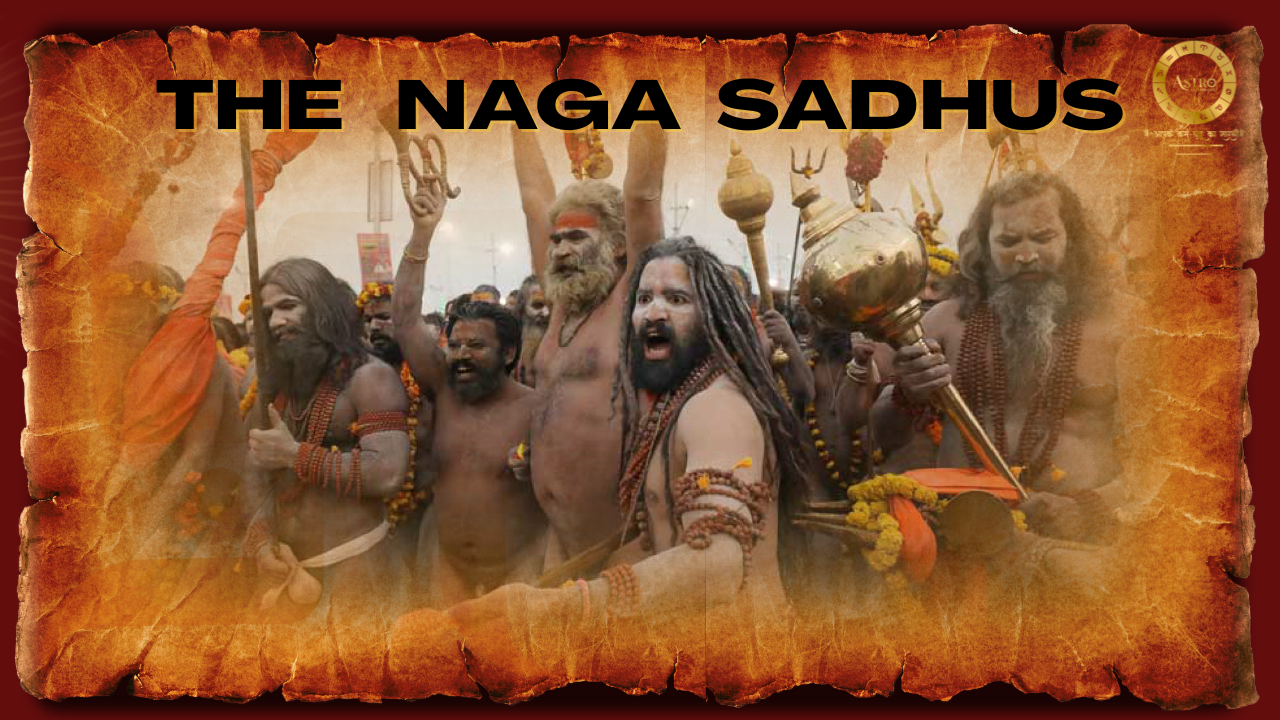
Appearance: Ash-smeared bodies, matted hair, often unclothed, symbolizing detachment. They are usually seen with ash-smeared bodies, long matted hair (jata), and are often without clothes, which symbolizes their detachment from the material world.
Spiritual Focus: Intense meditation, yoga, rituals, and self-discipline for achieving moksha (liberation).
Celibacy: Strict adherence to ascetic principles, including celibacy. They take a vow of celibacy and follow strict ascetic principles.
Affiliations
Akhadas: Monastic organizations where Naga Sadhus are inducted through rigorous rituals. Established by Adi Shankaracharya in the 8th century, there are 13 major Akhadas today. Most Naga Sadhus are affiliated with Akhadas, which are monastic organizations or orders. They are inducted into these orders through a rigorous process that involves various rituals and ceremonies.
Most Naga Sadhus are affiliated with Akhadas, which are monastic organizations or orders. They are inducted into these orders through a rigorous process that involves various rituals and ceremonies. They do their final rites and leave all wordly possessions and relations, including their parents and clothes.
Historical Role
Warrior Monks: During medieval times, they trained in martial arts and defended temples and traditions against invaders.Naga Sadhus are seen as protectors of religion and are respected for their spiritual power.
Historically, they served as warrior monks to protect temples and spiritual centers during invasions. It is said that in the 8th century when the Shankaracharya called for all the mathas, and religious sects to come together and unite for the safety and protection of Sanatan, it also so the advent of the Naga Sadhus to fight away invaders and protect the dharma through martial arts and warfare too.
Prominent Events
Kumbh Mela:
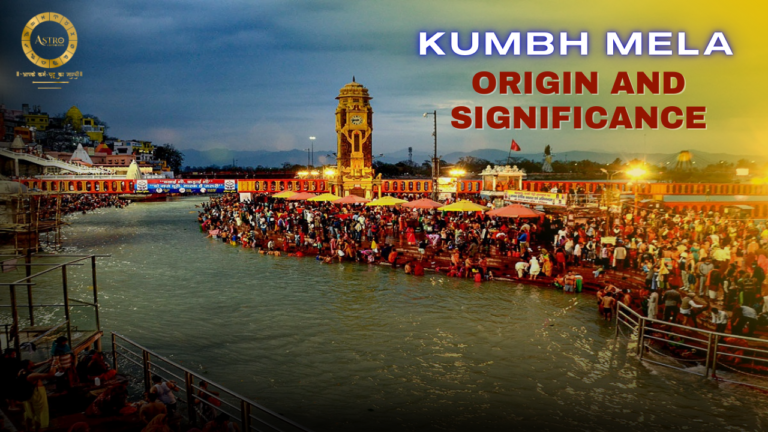
A major Hindu festival, where they perform the Shahi Snan, a sacred bath symbolizing purification. At the Kumbh Melas, they have the honour of taking the first dip in the triveni sangam. Hence they are most prominently seen during the Kumbh Mela, a major Hindu festival held every 12 years. The ritual bath (Shahi Snaan) performed by Naga Sadhus at the confluence of holy rivers is an important event of the festival.
The history of Naga Sadhus dates back thousands of years and is deeply rooted in Indian spirituality and tradition.
Origins and Philosophy
They are rooted in the ancient ascetic traditions, with practices described in scriptures like the Upanishads, and Bhagavad Gita.
Primarily they are Shaivites, but also present among Vaishnavites and other sects.
Origin in Hinduism:
The origin of Naga Sadhus is believed to be from ancient Indian ascetic traditions. They are primarily associated with the Shaivite sect (followers of Lord Shiva), but are also present in Vaishnavite and other Hindu sects.
Their practices correspond to the ancient concept of renunciation (Sanyas) described in texts such as the Upanishads and the Bhagavad Gita.
Daily Practices
Renunciation: Complete detachment from worldly life.
Austerity: Harsh living conditions in caves, forests, or cremation grounds.
Meditation & Yoga: Advanced practices to achieve higher spiritual consciousness.
Shaivism Focus: Devotion to Lord Shiva, often chanting Om Namah Shivaya and applying vibhuti (sacred ash).
Warrior Sadhus:
In medieval times, Naga Sadhus took up arms to protect Hindu temples and traditions from foreign invasions, especially during the Islamic conquest of India.
They are trained in martial arts, archery and swordsmanship and acted as protectors of the Dharma since their formation.
Association with Akhadas:
Akhadas or monastic orders were formally organized during the 8th century by the sage Adi Shankaracharya to unite ascetics and protect the Sanatan Dharma.
Today there are 13 major Akhadas, each with its own structure and practices.
Key Rituals
Initiation (Diksha):
They follow the rituals of a symbolic rebirth, renunciation and rigorous spiritual training.
Rituals include shaving the head and symbolic cremation of the old self.
Shahi Snan: Sacred dip in holy rivers at the Kumbh Mela.
Havan (Fire Rituals): Offering to the divine, symbolizing the burning of impurities.
Tantric Practices: Overcoming fear of death through meditative rituals in cremation grounds.
Martial Arts: Preservation of their warrior heritage, though less practiced today
Practices of Naga Sadhus
Renunciation:
They renounce all material possessions, family ties and worldly pleasures to devote their lives to spirituality.
Their nakedness signifies complete detachment and transcendence of body consciousness.
Austerity:
They live in harsh conditions, meditating in caves, forests or near cremation grounds. They have food once and depend on alms. They are supposed ask only at 7 houses. If by chance they do not get anything on a day, they go without food that day.
Fasting, physical stamina and extreme self-discipline are common.
Meditation and Yoga:
They practice advanced forms of yoga and meditation to connect with God and control their mind and body. Many do perform tantric rituals to tap into spiritual energy and the energies of the Universe.
Shaivism Focus:
Naga sadhus are ardent devotees of Lord Shiva and often chant mantras such as Om Namah Shivaya.They apply the sacred ash (vibhuti) to their bodies, which symbolizes purity and the cycle of life and death.
Rituals of Naga Sadhus
Initiation Ceremony:
Becoming a Naga sadhu involves a rigorous initiation process called diksha. The process involves as mentioned before, renouncing worldly life, shaving the head, performing rituals at cremation grounds, and undergoing intense spiritual training.
The initiates are symbolically reborn into their new spiritual life, often performing a symbolic “cremation” of their old self.
Shahi Snan (Royal Bath):
During the Kumbh Mela, Naga Sadhus perform Shahi Snan, a sacred ritual of bathing in holy rivers.They are the first to take a dip, which symbolizes purification and spiritual renewal.
Sacred Fire Rituals (Havan):
Fire rituals are central to their practices, symbolizing offerings to God and the burning of impurities.
Tantric Practices:
Some Naga Sadhus follow Tantric rituals, which may include meditating in cremation grounds to face and overcome the fear of death. Many are believed to speak to spirits and connect with the energies surrounding us, and the energies of the “brahmand”.
Martial Arts:
Although less prevalent today, some Naga Sadhus continue to practice traditional martial arts, maintaining their warrior monk heritage.
Emotions and Naga Sadhus:
While Naga Sadhus are not devoid of emotions, they strive to transcend emotional attachments and responses as part of their spiritual practice. Their lifestyle is centered on detachment from worldly pleasures and the ego-driven aspects of life, which includes controlling emotions such as anger, desire, fear, and sorrow. Here’s how they approach emotions:
Emotional Detachment in Naga Sadhus
- Renunciation of Emotional Bonds:
- By giving up family ties and societal relationships, they free themselves from emotional dependencies.
- This detachment helps them focus solely on spiritual growth and self-realization.
- Meditative Practices:
- Through intense meditation and yoga, they cultivate a state of inner calm, reducing the sway of emotions over their minds.
- Practices like mindfulness and chanting help them remain anchored in the present, minimizing emotional disturbances.
- Ego Transcendence:
- Emotions such as pride, jealousy, and greed are seen as ego-driven. Naga Sadhus practice austerity to dissolve their ego and achieve a state of equanimity.
- Facing Fear and Suffering:
- By meditating in cremation grounds and performing Tantric rituals, they confront and transcend fear, especially the fear of death.
- Living in harsh conditions helps them endure physical and emotional challenges with resilience.
- Compassion and Spiritual Devotion:
- While they detach from worldly emotions, many Naga Sadhus express profound compassion and spiritual love, especially in their devotion to Lord Shiva and in guiding others on the spiritual path.
- Control, Not Absence:
- Detachment doesn’t mean an absence of emotions but rather mastery over them. They aim to respond to situations with wisdom and detachment, rather than being impulsively driven by feelings.
- This detachment helps them focus solely on spiritual growth and self-realization.
Philosophical Perspective:
In Hindu philosophy, emotions are seen as part of the maya (illusion) that binds individuals to the cycle of life and death. Naga Sadhus, by renouncing emotions, aim to transcend this illusion and achieve moksha (liberation).
Their lifestyle is a blend of extreme physical stamina, spiritual devotion, and detachment from worldly life, making them unique figures in Indian spirituality. While their path may appear austere or emotionless, it’s a deliberate approach to channel their energy toward spiritual enlightenment.